Lesson Nine
Have (present tense)
S + has / have
 Click for the audio. Click for the audio.
|
Singular
|
Plural |
|
|
|
|
|
|
|
He has
She has
It has
|
|

“Have” is usually used for ownership, ability, or for a description….
…but the word “have” is also a very popular substitute for the words “eat” and “drink.”
- She has coffee every morning.
- (She drinks coffee every morning.)

- He has pancakes for breakfast.
- (He eats pancakes for breakfast.)

Have is also an important helping verb:
- I have lived in Minnesota for three years.
In the example above, (have) + (past participle) make the present perfect tense.
|
|
|
|
|
|
|
|
|
|
|
|
|
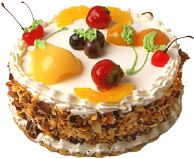
The cake has a lot of fruit on top of it.
|
|
We have time to learn English.
|
|
They have a hamburger and french fries.
|
|
All three children have popsicles.
|
|
|
Note: To make “have” negative in the present tense, use don’t or doesn’t + have.
Correct: He doesn’t have any money. / I don’t have any money.
Incorrect: He hasn’t any money.
(but okay in British English)
|
| Have – Present Tense (negative with contraction) |
| Singular |
Plural |
| I don’t have…. |
We don’t have… |
| You don’t have… |
You don’t have… |
| He doesn’t have… |
They don’t have… |
| She doesn’t have… |
| It doesn’t have… |
Click here for a quiz.
|