Yellow Level
Lesson Six:
The Comparative Form for Adjectives
 |
 |
Use “er” at the end of small words. (one syllable)
Use “more” in front of long words (2+ syllables)
A lion is bigger than a cat.
A lion is more dangerous than a cat.
 |
 |
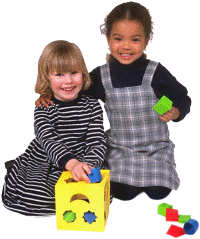
The children playing with the blocks are
younger than the students going to school.
|
Here are some more examples:
|
Note: It’s not always necessary to use “than”
|
Watch this video:
|
The comparative form is used to show the difference between two things or two people, two groups of things, or two groups of people. There are rules for using the comparative form. The table below will help you. |
|
The Comparative Form for Adjectives
|
||
|
One-syllable words
|
two-syllable words ending in y
|
two syllables or more not ending in y
|
|
add er
|
drop the y and add ier
|
use more / don’t add er
|
|
big
 bigger bigger |
noisy
noisier |
dangerous
more dangerous |
|
old
older |
busy
busier |
expensive
more expensive |
|
nice
nicer |
crazy
crazier |
comfortable
more comfortable |
|
young
younger |
lazy
lazier |
humid
more humid |
|
fast
faster |
funny
funnier |
tired
more tired |
|
cheap
cheaper |
dry
drier |
acceptable
more acceptable |
| There are some exceptions: good, bad, far, and fun are adjectives that don’t follow the rules when making the comparative form. | ||
|
good
better |
bad
worse |
far
farther |
|
fun
more fun |
||
Never use two comparatives together on an adjective:
more cheaper
more noisier
more older
Click here to practice what you know
about comparatives adjectives.
Next: Lesson Seven